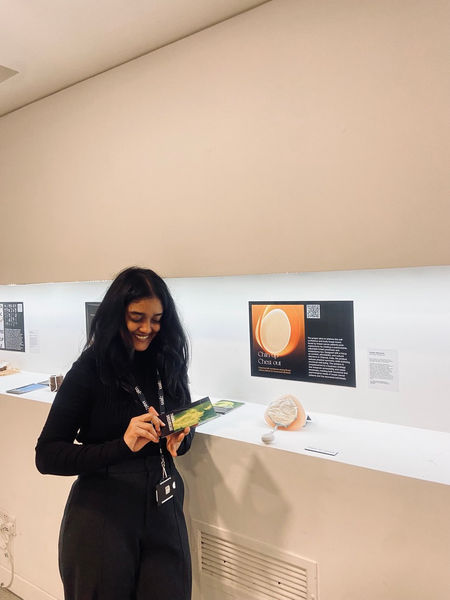
Chin up Chest out
Fostering self-confidence among Breast cancer patients & recovered individuals
Work period
April 2024 - Dec 2024
// London
Project Type
Master's Final Research Project
Full Project
Breast cancer changes more than just the body—it reshapes identity, confidence, and daily experiences. Inspired by my mother’s journey, Chin Up, Chest Out aims to bridge the gap between function and empowerment. This project centers on in-depth research and ethical considerations to meet the unique needs of a vulnerable stakeholder group. The outcome was a redesigned inflatable breast prosthesis inspired by Reebok's InstaPump, tailored specifically for women in Chennai, ensuring not only comfort and wearability but also compatibility with traditional clothing. By addressing both comfort and cultural compatibility, the project empowers women to embrace their bodies and reclaim their confidence in daily life.
Understanding the Problem

Problem Statement
Breast Cancer patients & recovered individuals in Chennai frequently experience a significant loss of self-confidence and a deeply altered sense of body image following the mastectomy. This life-saving procedure, while essential to survival, often leaves patients feeling self-conscious and disconnected from their former identities. Despite the advancement in medical treatment, there is a substantial gap in addressing these complex psycho-social needs and daily struggles, which can hinder patients’ ability to rebuild their confidence, affecting their response to treatment, mental well-being, and overall quality of life.
Research Question
How might we foster self-confidence among breast cancer patients and recovered individuals in Chennai post-mastectomy by addressing their physical, mental, and psychosocial needs?
The Process
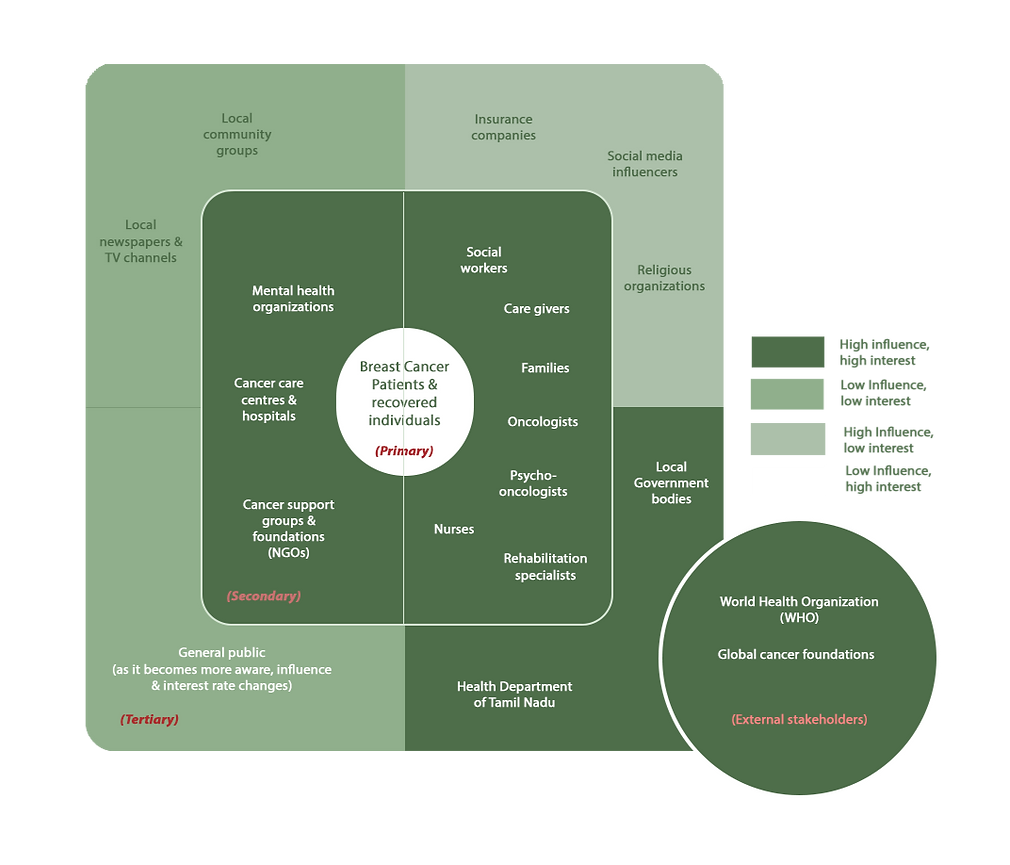
Stakeholder Mapping
This project is primarily focused on women aged 40 to 60 who have undergone mastectomy due to BC. This age group represents over 55% of BC cases and is particularly vulnerable to societal pressures surrounding appearance and identity (Sumathi, 2015).
Research Framework
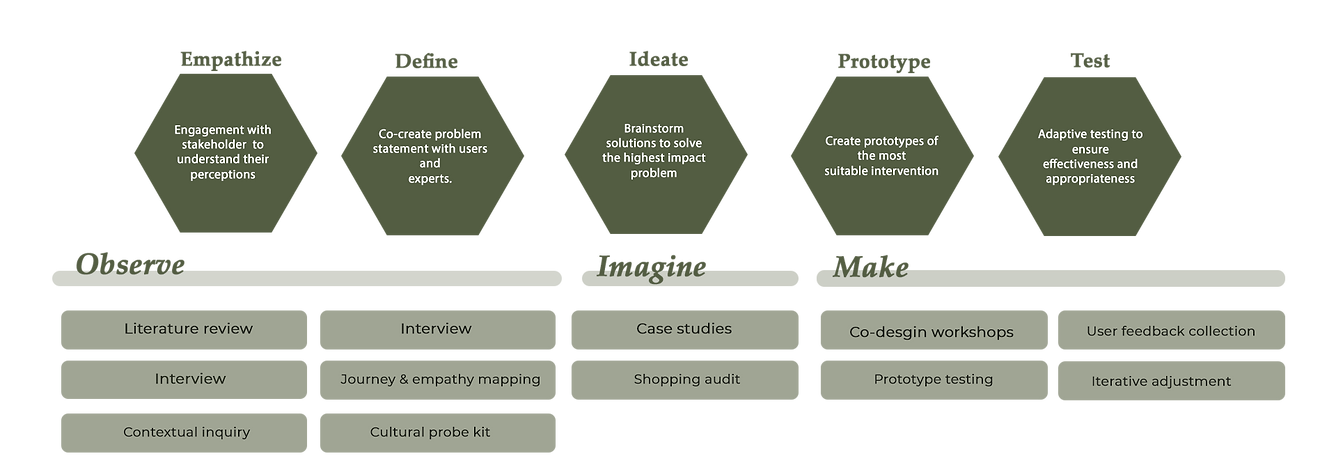
The framework combines the Stanford d.school approach for creative problem-solving and empathy with Health Design Thinking (HDT) for healthcare-specific precision. This integration was used to gain deeper user insights, faster learning, and practical, realistic solutions.
Research Methods
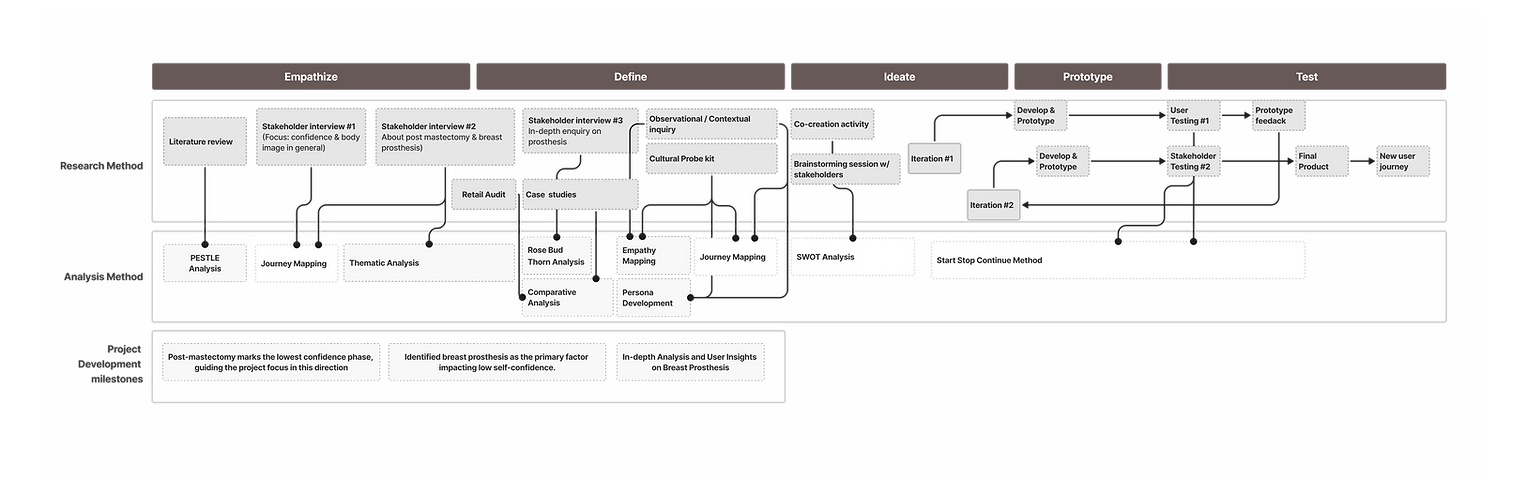
A mixed-methods research framework was employed, incorporating qualitative interviews, Cultural Probe Kits, and co-creation sessions. The detailed version of the research methods used is explained below in the diagram.
Confidence Curve
Through primary research, I identified a confidence curve that varied across the stages of treatment—from diagnosis to post-surgery and survivorship. At each stage, breast cancer survivors expressed varying levels of discomfort, vulnerability, and loss of identity. Key stakeholder issues included:
-
Physical and emotional discomfort with breast prostheses
-
Pressure to conform to societal norms
-
Limited access to practical guidance
8/8
participants said that a well fitting and visually symmetric prosthesis would increase their confidence significantly with the average score being 8.5 on a scale of 10
5/8
participants noted that physical discomfort from the prosthesis impacted their mental well-being
6/8
participants felt that the prosthesis did not fit well or match the natural side
5/8
participants stated they lacked resources to help them choose a prosthesis or understand their options post-mastectomy.
Breast Prosthesis
Meeting stakeholders' needs
An inadequately designed or uncomfortable prosthesis can intensify the physical discomfort and emotional disconnection experienced by the users. It can also hinder their social engagement by making them feel self-conscious or restricted. Therefore, focusing on creating a prosthesis that is not only comfortable but boosts self-esteem is crucial. Therefore, the project is henceforth focused on creating a prosthesis that fulfills both the expressed and unexpressed needs of its users.
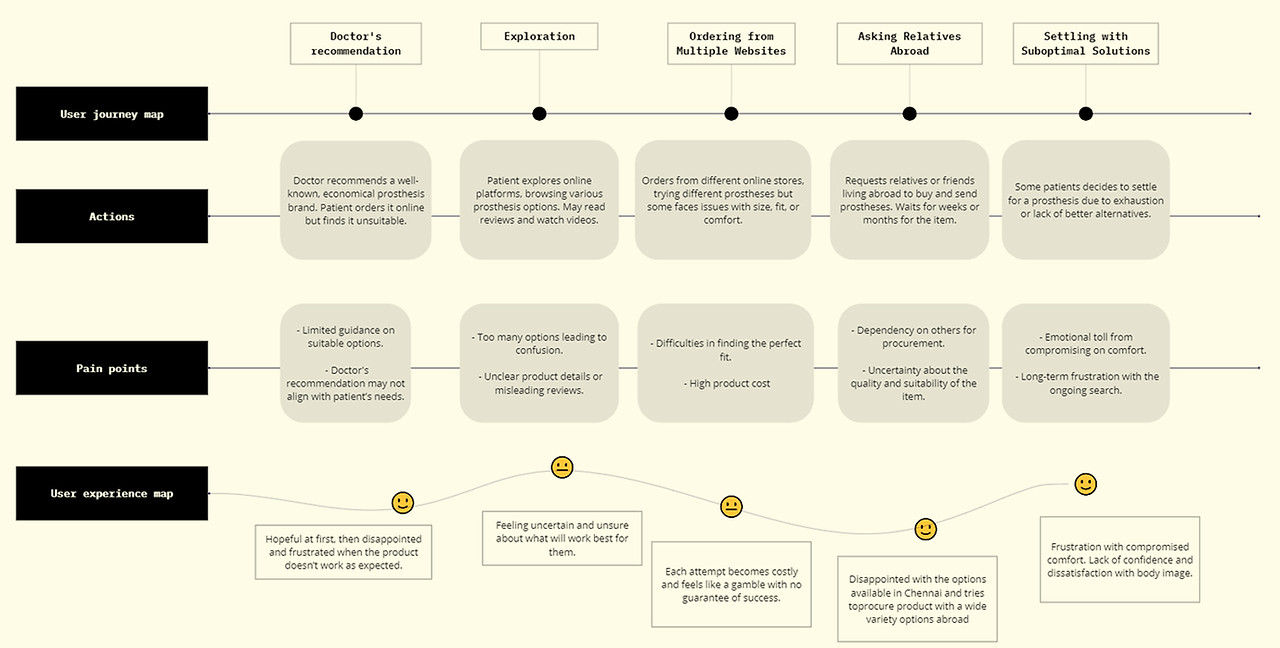
User Journey
Stakeholder Needs Analysis
Movement and Displacement of Prosthesis
One of the most common complaints was the prosthesis shifting or moving within the bra, making it difficult for users to adjust discreetly in public. Participants expressed embarrassment when attempting to adjust the prosthesis in social settings, often feeling as though “everyone is staring.” This issue adds to their discomfort and self-consciousness, emphasizing the need for a more stable and secure fit.
Right shape & size
Finding a prosthesis that matches the shape and size of the remaining breast was challenging for most survivors, who felt frustrated by the limited variety available. The lack of tailored options led many to feel incomplete, as “one size does not fit all.” This limitation points to a need for a broader range of sizes and customizable designs.
Temperature Sensitivity and Skin Irritation
Participants frequently experienced sweating and skin irritation while using their prostheses, which significantly reduced their wearability. However, pairing the prostheses with a pocketed bra improved comfort and usability.
Makeshift Solutions Out of Frustration
Due to discomfort and unsatisfactory fit, some survivors abandoned using a prosthesis altogether, opting for makeshift solutions such as a shawl. While these solutions provide modesty and flexibility, they lack the visual balance a well-designed prosthesis could offer, highlighting an urgent need for better-fitting, culturally aligned prosthetic solutions.
Solution Development
Co-Creation & Stakeholder Involvement
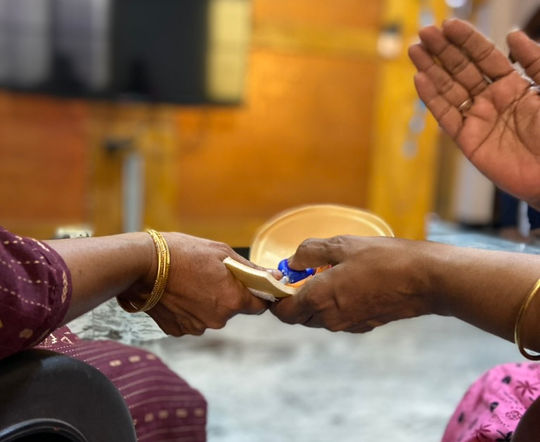
The design process was deeply collaborative, ensuring that the solution aligned with the lived experiences of breast cancer patients. Through co-creation workshops, interviews, and cultural probe kits, stakeholders actively shaped the prosthesis design. Their feedback provided crucial insights into comfort, usability, and emotional needs, making them equal partners in the development process.
Product Iterations
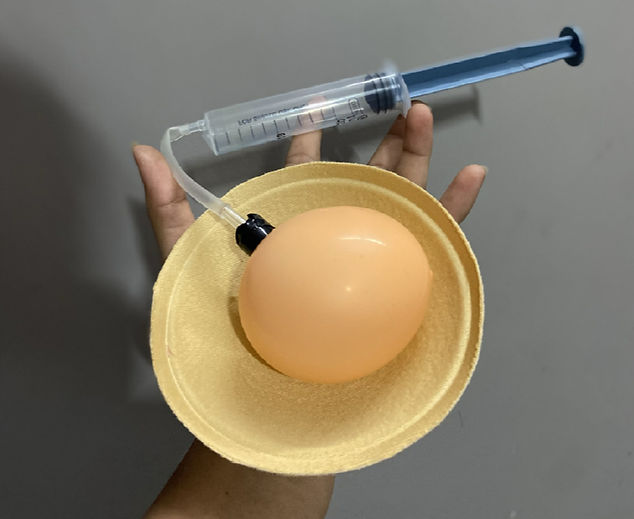
The product underwent multiple iterations, refining form, functionality, and user experience. Initial prototypes focused on weight, balance, and comfort, evolving through material exploration to ensure breathability and suitability for Chennai’s climate. Shape refinements enhanced symmetry and natural movement, while an inflation mechanism was integrated for adjustable sizing.
Final Design
The final breast prosthesis is adjustable, lightweight, and climate-responsive, bridging the gap between standardized prosthetics and individual body confidence.
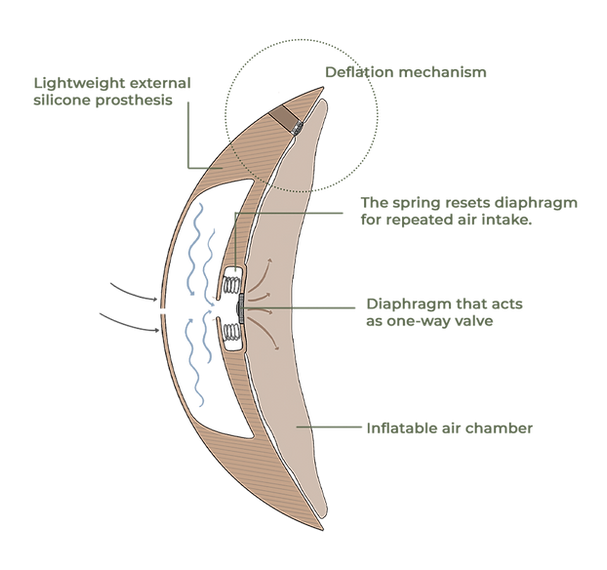
The Mechanism
Central to this design is a discreet air inflation system, inspired by Reebok's InstaPump mechanism, allowing users to adjust fit and volume with a small, non-electronic pump. By pressing the outer surface of the prosthesis, the pump closes the hole in the covering, transferring air into the internal chambers to inflate and adjust the shape and size, offering a personalized fit that mirrors the natural breast. A quick-release valve enables easy deflation, simplifying adjustments or removal.
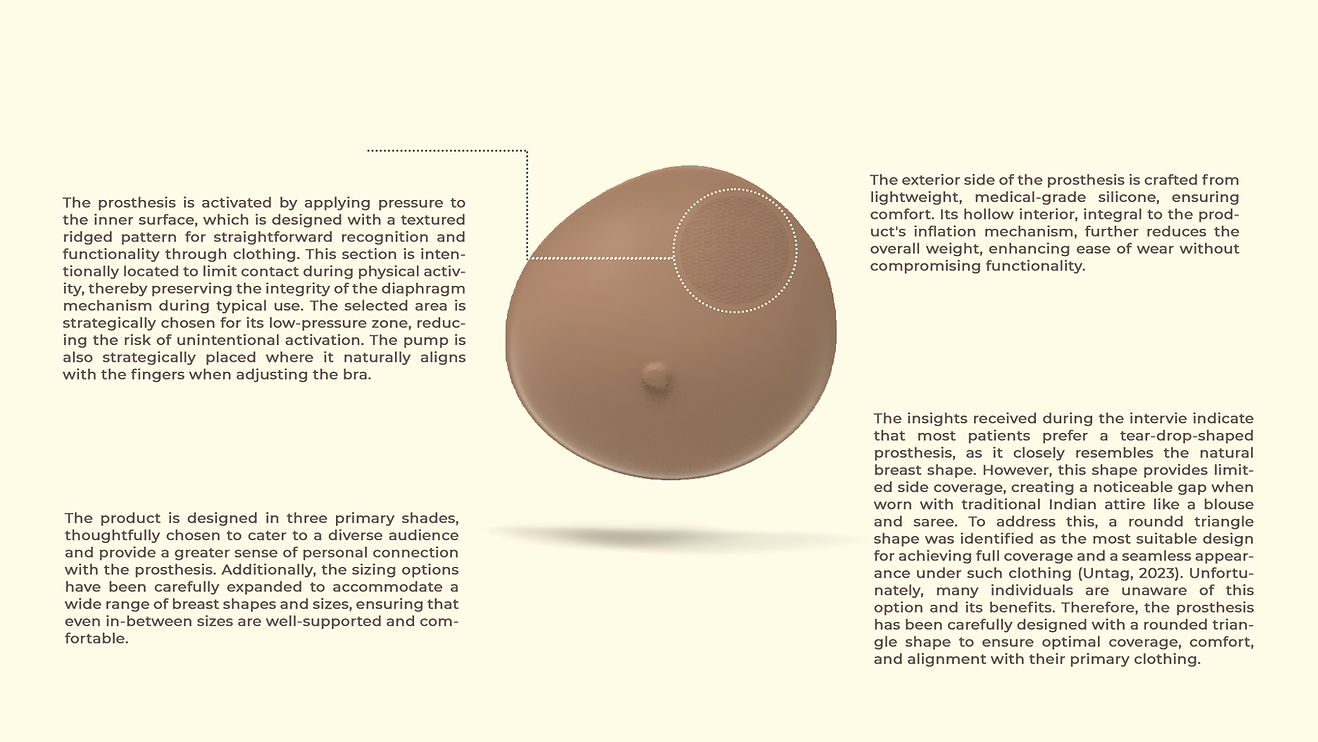
1
3
2
4
User friendly Inflation Mechanism
Light weight
Inclusivity
Shape Reasoning
Features of the Prosthesis
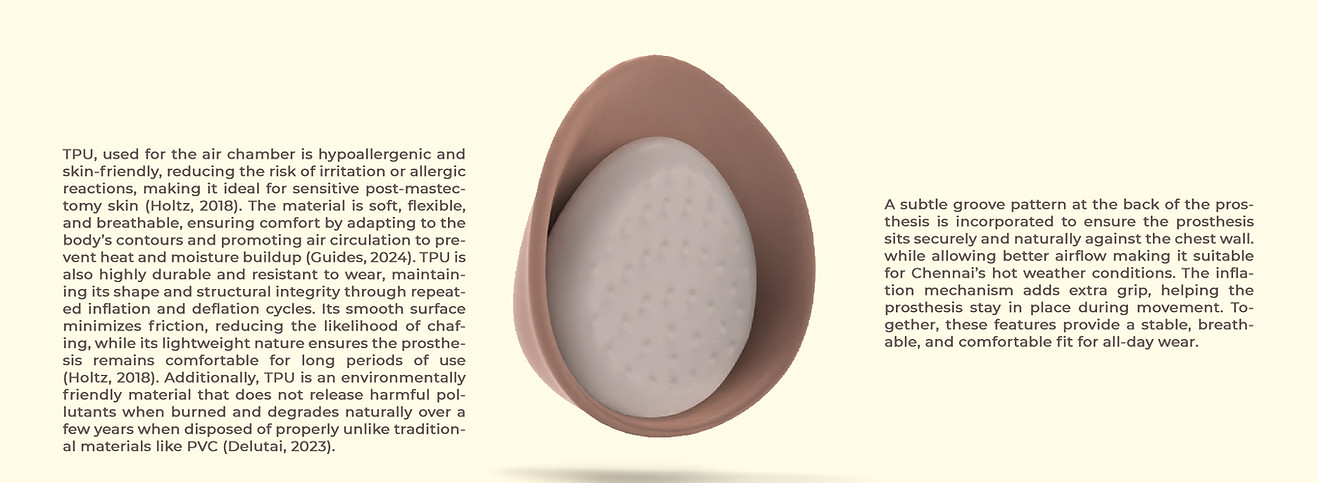
5
TPU: A comfortable & sustainable choice
6
Back groove design
Environmental Impact
The exterior of the prosthesis is made from lightweight, medical-grade silicone, with options to incorporate recycled silicone or bio-based alternatives like plant-derived elastomers in the future. For th rear end, the use of TPU fabric which is hypoallergenic, non-toxic materials ensures the product is safe for both users and the environment. The prosthesis is designed to last, reducing the need for frequent replacements. This durability minimizes waste and lessens the environmental burden of manufacturing additional units.
Ethical Considerations
The ethical framework of my project is guided by three key perspectives. The Humanization of Healthcare framework (Todres et al., 2009) ensured respect, empathy, and dignity in engaging with vulnerable participants, prioritizing informed consent, autonomy, and a safe research environment. Health Design Thinking (Ku & Lupton) influenced a human-centered approach, emphasizing dignity in discussing sensitive topics and using tools like diaries to support self-expression. Lastly, A Practical Guide to Trauma-Sensitive Research (Routledge, 2024) reinforced trauma-informed methodologies, helping minimize re-traumatization and maintain ethical sensitivity in interviews and interactions.
Reflection
Looking back, Chin Up, Chest Out has been one of the most meaningful projects I’ve worked on. Seeing it come to life at the final show was both exciting and nerve-wracking, but the response made it all worth it. My tutors appreciated the depth of research and the cultural sensitivity behind the design, which was incredibly validating. Getting a Grade A felt like the perfect ending to months of hard work, endless iterations, and problem-solving. More than anything, this project reinforced my belief in human-centered design and how thoughtful solutions can make a real difference in people’s lives.